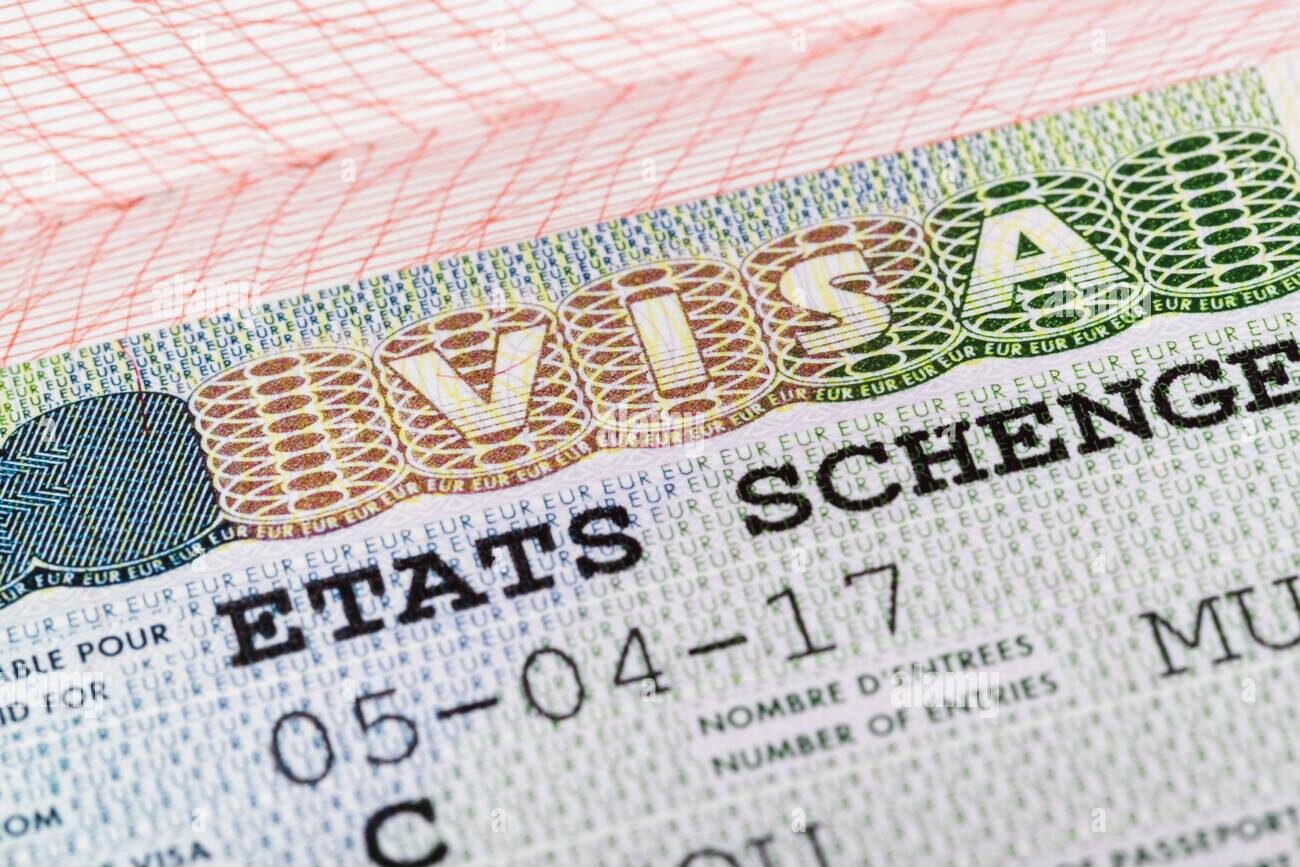

Imagine you’re a skilled software engineer from India, excited about a job offer in Oslo’s thriving tech scene. You’ve meticulously prepared your work permit application, only to receive a rejection letter citing insufficient documentation. The disappointment is palpable—missed opportunities, financial setbacks from application fees, and the emotional toll of dashed relocation dreams. This scenario is all too common for applicants navigating Norway’s stringent immigration system, where even minor oversights can lead to denial.
Understanding the Norway visa appeal process and options for reapplying for a Norwegian visa after rejection is crucial for turning setbacks into successes. Norway’s immigration framework is governed by the Norwegian Directorate of Immigration (UDI) and the Immigration Appeals Board (UNE), ensuring fair but rigorous evaluations. As part of the Schengen Area, decisions affect not just Norway but potentially 27 European countries, amplifying the stakes for visitor visas, work permits, study visas, and family reunification applications.
This article offers step-by-step legal advice for UDI appeals, highlighting key differences between appealing and reapplying, timelines, and proven strategies to boost approval chances. Whether you’re dealing with a tourist visa rejection or a denied residence permit, we’ll cover practical guidance drawn from official sources.
Please note: This is general information only and not personalized legal advice. Immigration laws evolve, and individual cases vary always consult a qualified immigration lawyer or UDI for your specific situation.
To underscore the importance, consider UDI statistics: Rejection rates for visitor visas from high-risk countries can exceed 50%, often due to doubts about return intent. Proper handling of appeals or reapplications can prevent entry bans, which might last up to five years in severe cases. By mastering these processes, you avoid long-term barriers and capitalize on Norway’s opportunities in education, innovation, and quality of life. Benefits include faster resolutions through appeals for fixable errors or fresh starts via reapplications when circumstances improve, ultimately paving the way for successful integration into Norwegian society.
Understanding Visa Rejections in Norway
Visa rejections in Norway stem from a variety of common pitfalls, often rooted in the stringent requirements of the Norwegian Immigration Act of 2008. For instance, insufficient documentation—such as missing bank statements or incomplete forms—is a leading cause, affecting up to 40% of denials across categories. Lack of strong ties to your home country, like family obligations or property ownership, raises doubts about your intent to return, particularly for visitor visas. Inadequate finances also frequently lead to rejection; applicants must prove they can cover living expenses without public support. Other grounds include criminal records, overstays in prior visits, or suspicions of immigration intent beyond the visa’s purpose.
The legal basis for these decisions lies in key provisions of the Immigration Act. Section 10 outlines Schengen visa requirements, mandating valid travel documents, justified purpose, sufficient subsistence (e.g., NOK 15,169 per month for students in 2025/26), and no threats to public policy. Rejections are communicated via detailed decision letters from UDI or embassies, specifying grounds and appeal rights. For study visas, applicants over 18 must demonstrate NOK 166,859 annually, plus tuition if applicable.
A rejection’s implications extend beyond immediate denial. In expulsion cases, it may trigger entry bans lasting 1-5 years, barring Schengen access. Future applications face heightened scrutiny, potentially requiring extra evidence. EU/EEA nationals enjoy broader rights under free movement rules, but non-EU applicants must navigate stricter checks. Repeated rejections without addressing issues can lead to permanent bans.
Interpreting the rejection letter is vital: It identifies appealable elements (e.g., factual errors) versus non-appealable ones (like discretionary judgments). Note the 3-week appeal deadline from receipt. Look for codes or phrases indicating specific flaws, such as “insufficient subsistence” or “doubtful intent.”
- Common Rejection Categories:
- Insufficient documentation or errors in application.
- Weak home ties (e.g., no job or family back home).
- Inadequate finances or insurance.
- Criminal background or security concerns.
- Mismatch between stated purpose and evidence.
| Visa Type | Common Rejection Reasons | Approximate Rejection Rate (Based on UDI Data) |
|---|---|---|
| Visitor Visa | Doubtful return intent, insufficient funds | 30-60% for high-risk countries |
| Work Permit | Low salary, irrelevant qualifications | 20-40% |
| Study Visa | Inadequate financing (e.g., below NOK 166,859/year), poor academic fit | 15-30% |
| Family Reunification | Unproven relationship, subsistence issues | 25-50% |
The Appeal Process: Step-by-Step Guide
Eligibility for the Norway visa appeal process extends to the applicant, an authorized representative, or a lawyer. Most UDI decisions are appealable, including rejections for visitor visas, work permits, study visas, and family reunification, except purely administrative ones like fee disputes. Under the Immigration Act Section 76, appeals contest errors in fact, law, or procedure.
Timelines are strict: Appeals must be lodged within 3 weeks of receiving the decision letter. Prove timely submission via postmarks or digital timestamps; extensions are rare, granted only for exceptional reasons like illness, with supporting evidence.
Submit initially to the issuing authority—UDI for most cases, or embassies for visitor visas. UDI reviews first; if upheld, it’s forwarded to UNE for independent assessment. Processing times vary: UDI handles visitor visa appeals in about 5 months, while UNE may take up to 6 months for visas or 14 months for family cases. For expulsions, UDI decides within 3 months or forwards to UNE.
Outcomes include: UDI reversal (granting the visa), UNE upholding or overturning, or rare escalation to courts for legal errors. If denied at UNE, options exhaust, though the Ombudsman can review procedural fairness.
Step-by-Step Flowchart for Appeals:
- Receive Rejection: Note date and grounds.
- Assess Eligibility: Confirm decision is appealable.
- Prepare Appeal: Gather new evidence within 3 weeks.
- Submit to UDI/Embassy: Via portal, mail, or eDialog.
- UDI Review: Up to 5 months for reversal or forward to UNE.
- UNE Decision: Additional 6-14 months; final unless court-bound.
- Outcome Notification: Via email/SMS; implement if approved.
Special cases: Visitor visa appeals often start at embassies, with UDI involvement if complex. For EU/EEA-related denials, reference free movement directives. This structured approach maximizes chances, but patience is key given processing delays.
Preparing and Submitting an Effective Appeal
Gathering evidence is pivotal in the Norway visa appeal process: Focus on new or clarifying documents that directly counter rejection reasons. For financial shortfalls, provide updated bank statements or sponsor affidavits showing NOK 15,169 monthly subsistence. Employer letters can affirm job offers for work permits, while academic transcripts bolster study visa appeals.
Crafting the appeal letter requires structure: Include the decision ID, date received, and desired changes (e.g., “Reverse rejection and grant study permit”). Argue legal errors, such as misapplied Immigration Act provisions, with references to sections like 10 for Schengen visas. Attach evidence; the letter must be written, signed, and in Norwegian or English.
Submission methods: Use UDI’s online portal for uploads, eDialog for lawyers, or mail to UDI’s address. Track via UDI’s case status tool; confirm receipt promptly.
Legal considerations include public administration laws ensuring the right to be heard and fair process. Free legal aid may apply for low-income cases or asylum overlaps; consult UDI’s scheme.
Sample Appeal Letter Template (Redacted):
[Your Name] [Address] [Date]
UDI PO Box 2098 Vika 0125 Oslo
Re: Appeal of Decision [ID Number], Dated [Date]
Dear UDI Officer,
I appeal the rejection of my [visa type] application on grounds of [specific reason, e.g., insufficient funds]. New evidence includes [list attachments]. This addresses the concerns under Immigration Act Section [relevant]. I request reversal.
Sincerely, [Signature]
Costs: No appeal fee, but UDI may reimburse if successful. For Schengen issues, note multi-entry implications; handle by providing travel history. This preparation enhances effectiveness, turning rejections into approvals.
The Reapplication Process: When and How to Try Again
Reapplying for a Norwegian visa after rejection is viable immediately post-denial, with no mandatory waiting period unless an entry ban applies. It’s ideal when circumstances change, such as securing a new job offer or bolstering finances.
Steps: Initiate afresh via UDI’s portal, paying fees anew (e.g., NOK 5,400 for study permits over 18). Submit updated documents targeting past issues, like enhanced proof of ties.
Documentation tips: Include detailed itineraries for visitors, stronger financials (e.g., recent statements), or sponsor letters. Use A4 copies, avoid staples; for families, add consents for minors.
Processing mirrors initial applications: 15 days to 2 months; book VFS appointments early.
Reapplication Checklist Table:
| Item | Description |
|---|---|
| Updated Form | Complete with changes noted. |
| Fees | Pay current amount (e.g., 90 EUR visitor). |
| Evidence | Address rejection specifics. |
| Biometrics | Schedule at VFS. |
| Tracking | Use UDI portal. |
Appeal vs. Reapplication: Strategic Choices
The key differences in legal advice for UDI appeals versus reapplying lie in their nature: Appeals contest the original decision, ideal for quick fixes like overlooked evidence, while reapplications start anew, suiting major changes like improved finances.
Factors to consider: Urgency—appeals may resolve faster (5 months at UDI) but risk final denial; reapplications avoid bans but incur new fees. Strength of new evidence favors reapplications; costs (e.g., NOK 5,400 study) add up.
A hybrid: Appeal first, reapply if denied.
Pros/Cons Table:
| Approach | Pros | Cons |
|---|---|---|
| Appeal | No new fees; contests errors | Strict timelines; potential final denial |
| Reapplication | Fresh start; no ban risk | New fees; similar processing times |
Common Mistakes and Best Practices
Common mistakes in the Norway visa appeal process include missing the 3-week deadline, repeating old arguments without new evidence, or submitting incomplete appeals, leading to automatic denials. Ignoring rejection specifics, like unaddressed financial gaps, compounds issues.
Best practices: Apply early (up to 6 months ahead), use refundable bookings for itineraries, and secure comprehensive travel insurance. Track via UDI portal.
- Enhancing Success Tips:
- Build home ties: Provide job letters, property deeds.
- Consult experts: Lawyers for complex cases.
- Prepare for interviews: Practice responses on intent.
Anonymized forum insights: One applicant succeeded by adding sponsor docs post-rejection. Avoid these pitfalls for better outcomes.
Seeking Professional Legal Assistance
Hire a lawyer for complex cases, language barriers, or high stakes like family reunification; benefits include eDialog submissions and court representation.
Finding help: UDI’s lawyer scheme, private firms, or UNHCR for asylum links; free aid for qualifying low-income applicants.
Costs: Reimbursement possible if appeal wins; otherwise, hourly rates vary.
Resources: UDI directory, Norwegian Bar Association. Warn against unlicensed advisors to avoid scams.
Case Studies and Real-World Examples
Hypothetical Scenario 1: A skilled worker from Pakistan appeals a work permit rejection for “irrelevant qualifications.” By submitting updated employer letters clarifying expertise match, UDI reverses within 4 months, granting the permit.
Scenario 2: A tourist from India reapplies after financial rejection, adding bank proofs and ties evidence. Approved in 1 month, highlighting changed circumstances.
Scenario 3: Family reunification denial for subsistence; hybrid appeal with new income docs succeeds at UNE after 12 months.
Lessons: Strong evidence and timing are key; anonymized UNE cases show 30% reversals with fresh docs.
Conclusion
In recap, mastering the Norway visa appeal process and reapplying strategies involves timely actions, robust evidence, and strategic choices between contesting decisions or starting fresh.
Final tips: Exercise patience, thorough preparation, and professionalism to navigate UDI and UNE.
Call to action: Consult UDI resources or lawyers; stay abreast of post-2025 updates like potential fee hikes.
Embrace Norway’s opportunities—innovation, nature, welfare—await those who persist smartly.