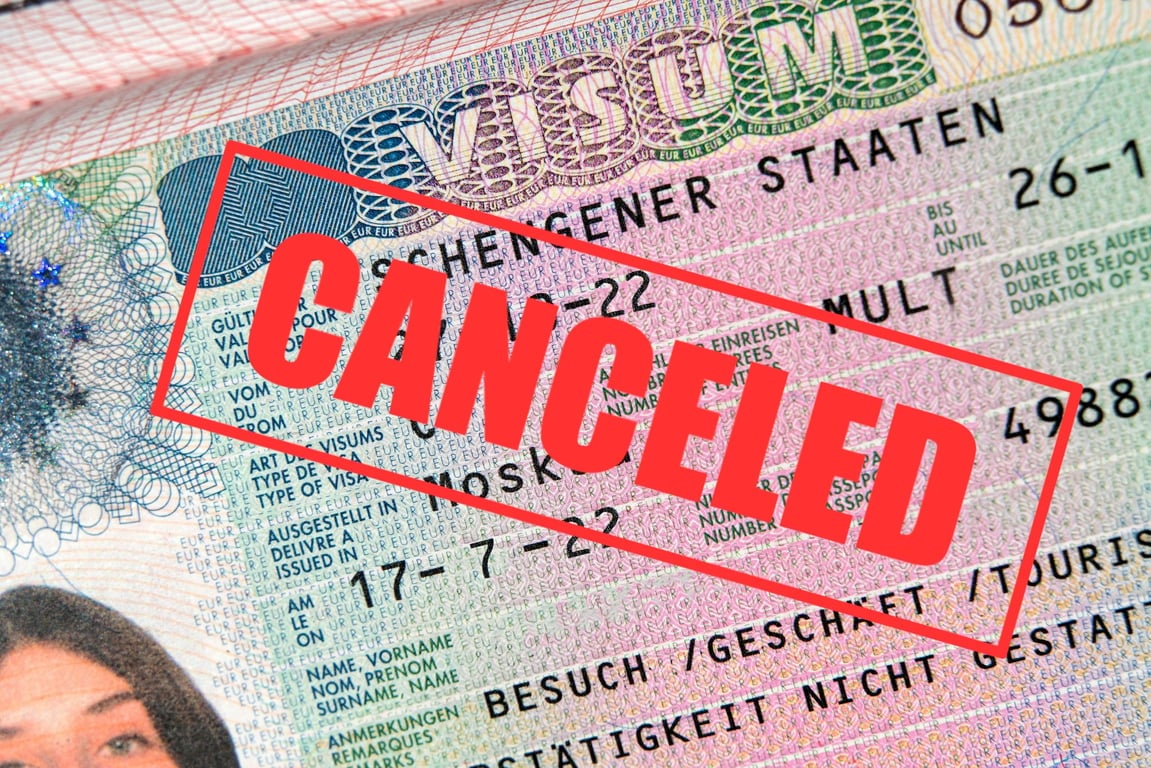

Imagine meticulously planning your dream vacation to Germany—exploring the historic streets of Berlin, savoring authentic pretzels in Munich, or attending a crucial business meeting in Frankfurt—only to receive a visa rejection letter that shatters those plans. This heartbreaking scenario is all too common for many applicants dreaming of a short stay in one of Europe’s most captivating destinations. A Germany Schengen visa, officially known as the Type C short-stay visa, allows non-EU nationals without visa-free access to enter Germany and the broader Schengen Area for up to 90 days within a 180-day period. It’s ideal for tourism, business trips, family visits, or short medical treatments.
Germany remains one of the most sought-after Schengen destinations, processing around 1.5 million applications in 2024 alone, ranking third behind France and Spain. Despite the high volume, German authorities approved approximately 86% of these applications, with a rejection rate of about 13.7%—slightly below the Schengen average of 14.8%. This means the vast majority of applicants succeed, but rejections often arise from preventable mistakes, such as incomplete documentation or insufficient proof of ties to the home country.
The good news? Most Germany Schengen visa denials are avoidable with thorough preparation and attention to detail. In recent years, approval rates have hovered between 85-90%, reflecting Germany’s welcoming stance toward genuine travelers. However, post-pandemic recovery has led to stricter scrutiny on financial proof and intent to return. A significant update effective July 2025 is the abolition of the free remonstration appeal process, meaning rejected applicants must now reapply with strengthened evidence or pursue costly judicial review.
This comprehensive guide offers expert, step-by-step tips to maximize your Germany Schengen visa approval chances. Drawing from official sources like the German Federal Foreign Office and recent 2024-2025 trends, we’ll address common pitfalls and provide actionable strategies. Whether you’re a first-time tourist or a frequent business visitor, proper preparation can turn potential denial into approval.
Understanding the Germany Schengen Visa Process
The Germany Schengen visa process is designed for short stays, but navigating it requires understanding key rules and requirements. First, determine where to apply: If Germany is your main destination (longest stay) or first entry point into the Schengen Area, submit your application at a German embassy, consulate, or authorized external provider like VFS Global or TLScontact in your country of residence. For multi-destination trips, the “main destination rule” applies—apply to the country where you’ll spend the most time.
The application starts with completing the online VIDEX form, a detailed digital questionnaire available on the German missions’ websites. Once submitted, book an appointment through the provider’s portal—slots can fill quickly, especially in high-demand countries like India or Türkiye. Processing typically takes 15 calendar days but can extend to 45-60 days during peak seasons or for complex cases requiring additional checks.
At your appointment, provide biometrics (fingerprints and photo) and submit documents. Core requirements include:
- A valid passport (at least 6 months validity beyond your planned departure from Schengen, with 2 blank pages).
- Recent biometric photos compliant with ICAO standards.
- Travel medical insurance with minimum €30,000 coverage for emergencies, valid across the entire Schengen Area.
- Proof of accommodation (hotel bookings, invitation letter, or rental agreement).
- Detailed travel itinerary (flight reservations, internal travel plans).
- Proof of financial means (guideline: around €45-100 per day, depending on accommodation and plans; often shown via 3-6 months bank statements).
- Round-trip flight reservations (fully paid or confirmed bookings preferred).
Germany-specific nuances include the Verpflichtungserklärung—a formal obligation letter from a German resident sponsor, verified by local authorities, which covers your expenses if you’re visiting family or friends. This is particularly useful for hosted visits and requires the sponsor to prove their own financial stability.
Recent updates as of 2026 include heightened emphasis on genuine intent post the 2025 appeal changes. For visa-free travelers (e.g., from the US, Canada), note that ETIAS (European Travel Information and Authorization System) pre-approval will be required starting late 2026 or 2027 for entry—though it doesn’t affect visa applicants directly.
Always consult the official German mission website for your country, as requirements can vary slightly by nationality or location. Starting early—up to 6 months in advance—ensures smoother processing and higher success rates.
The Most Common Reasons for Germany Schengen Visa Rejections
Germany’s Schengen visa rejection rate stood at approximately 13.7% in 2024, processing over 1.5 million applications and approving around 1.3 million. This is slightly better than the Schengen-wide average of 14.8%, reflecting efficient processing but rigorous evaluation. Rejections are rarely arbitrary; they stem from specific grounds outlined in the EU Visa Code, with consular officers assessing risk of overstay or misuse.
The top reason remains incomplete or incorrect documentation. Missing items like a fully completed VIDEX form, mismatched travel dates on bookings, or poor-quality photocopies lead to immediate denial. In 2024-2025 data, this accounted for a significant portion of refusals, often because applicants overlooked translations or official stamps.
Insufficient proof of financial means ranks second. Applicants must demonstrate ability to cover costs without public funds—guidelines suggest €45-100 per day, but sudden large deposits without explanation raise red flags. Bank statements should show consistent balances over 3-6 months; unexplained anomalies suggest fraud.
Weak ties to home country and doubtful intent to return is a major concern, especially for high-risk nationalities. Lack of evidence like employment letters (with approved leave), property ownership, family certificates, or ongoing business ties fuels doubts. Post-pandemic, scrutiny increased, with overstay risks flagged via shared Schengen Information System (SIS).
Unclear or suspicious travel itinerary triggers rejections when plans seem vague (“general sightseeing”) or illogical (e.g., rapid multi-country hops without matching bookings). Inconsistent details across documents imply hidden intentions.
Invalid or insufficient travel insurance—below €30,000 coverage, not Schengen-wide, or mismatched dates—invalidates the application outright.
Previous visa violations or travel history issues, such as overstays or prior denials, result in alerts and automatic refusals. Forged documents lead to bans.
Other reasons include damaged passports, inadequate accommodation proof, or security concerns.
| Rejection Rate Comparison (2024) | Germany | Schengen Average |
|---|---|---|
| Applications Processed | ~1.5M | 11.7M |
| Rejection Rate | 13.7% | 14.8% |
Understanding these patterns from 2024-2025 data helps applicants proactively strengthen weak areas.
Expert Tips to Avoid Denials – Detailed Prevention Strategies
The key to Germany Schengen visa success lies in meticulous preparation. Start early—apply 1-6 months ahead via the official German mission site or VFS/TLS portals. Download the latest checklist tailored to your nationality and purpose; requirements evolve, so verify updates.
Master the VIDEX online form: Fill accurately, avoiding special characters that cause errors. Detail your profession precisely (e.g., include employer details), and ensure consistency with supporting documents. Print and sign the completed form.
Build bulletproof financial proof: Submit 3-6 months of bank statements showing steady income and balances covering €45-100+ per day (aim higher for safety). Include salary slips, tax returns, or pension statements. Explain any large deposits with source proof (e.g., bonus letter). If sponsored, use a Verpflichtungserklärung—your host submits it to German authorities for verification, proving they cover costs.
Prove strong home ties convincingly: Include an employer letter on company letterhead confirming position, salary, and approved leave with return expectation. Add property deeds, vehicle registration, family birth/marriage certificates, or business ownership docs. For students, provide enrollment proof and exam schedules.
Craft a clear, realistic itinerary: Create a day-by-day plan (e.g., Day 1-5: Berlin sights with hotel; Day 6-10: Train to Munich for Oktoberfest). Ensure logical routing matching flight/train bookings. Use cancellable reservations to avoid risks.
Secure compliant travel insurance: Choose providers like AXA or Allianz offering €30,000+ Schengen-wide coverage, including repatriation. Verify policy dates match your entire trip exactly.
Perfect supporting documents: Provide high-quality, legible copies; translate non-English/German docs officially. For invitations, include host’s passport, residence proof, and relationship details. Verpflichtungserklärung tips: Host visits local Ausländerbehörde early—processing takes weeks.
Prepare for biometrics and potential interview: Dress professionally, arrive early. Answer confidently about purpose, funding, and return plans—practice common questions.
Avoid red flags: No fake bookings (consulates verify), sudden fund transfers, or inconsistencies. Overstating plans or undervaluing ties invites doubt.
Special cases:
- Minors: Parental consent, birth certificate, school letters.
- First-time/high-risk nationalities: Extra ties proof, detailed explanations.
- Business: Company invitation, conference registration.
- Family visits: Relationship evidence, sponsor docs.
By addressing these proactively, you align with consular expectations, boosting approval odds significantly.
What to Do If Your Visa Is Rejected
Receiving a Germany Schengen visa rejection is disappointing, but it’s not the end. The official refusal letter, sent via your application portal or email, details exact grounds under the EU Visa Code (e.g., “doubtful intent to return” or “insufficient funds”).
A major change since July 2025: The free remonstration (internal appeal) process has been abolished worldwide. Previously, applicants could submit written objections for reconsideration without cost. Now, options are limited to reapplying (paying fees again) with corrected/fixed issues or pursuing formal judicial action via Berlin Administrative Court—expensive and time-consuming.
Read the letter carefully: Identify cited reasons and gather new evidence targeting them. For example, if financial proof was weak, add more months of statements or a sponsor. If ties were doubted, include stronger employment/property docs.
Reapplication strategy: Wait if needed (no mandatory cooling-off, but rushed repeats risk repeat denial). Strengthen every weak point—many succeed on second attempts with improved submissions. Book a new appointment promptly.
Prevention remains key: Use rejection insights to refine future applications. Thousands reapply successfully yearly by addressing specifics.
Consult professionals if complex, but most fixes are straightforward with diligence.
Conclusion
In summary, Germany Schengen visa rejections—around 13.7% in recent data—are largely preventable through thorough preparation, accurate documentation, and clear proof of intent to return. By following official checklists, crafting realistic itineraries, and demonstrating strong financial and home ties, applicants can significantly boost approval chances.
Germany continues to welcome genuine tourists, business travelers, and visitors, issuing millions of visas annually. With 2025-2026 updates like stricter appeals and upcoming ETIAS for visa-free entrants, early and informed planning is more crucial than ever.
Thousands enjoy unforgettable trips to Germany each year—yours can be next. Verify requirements on official sites (e.g., German Federal Foreign Office or your local mission), consult experts for complex cases, and start early. Safe travels and willkommen in Deutschland!